While doing belt transects, this skill was essential to the research project. Without knowing what all of the grasses and leafy plants were, how could you determine if it was a native plant or not?
During the first month of employment on this project, the members of the team all went to local herbariums and studied identification keys so we could accurately identify all the foliage we came across.
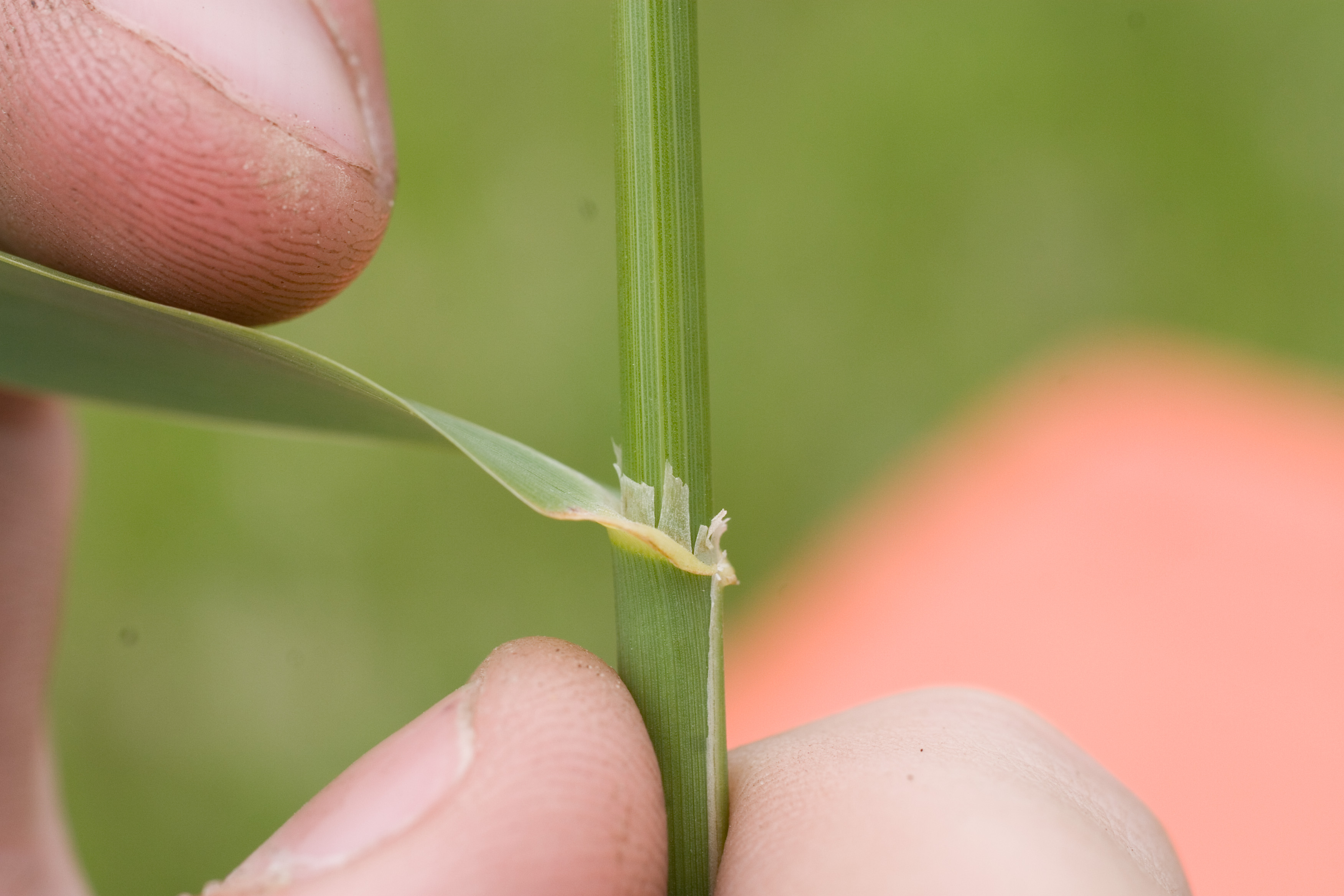
Learning this skills was the most rewarding experience I’ve had at a job. The task was daunting in the amount of things you had to know. When I was unsure of something, I would take a picture from every single angle I could, or even dig out the plant by the roots so I could later identify what it was. This lead to many plant pressings and a huge amount of pictures. I was even working on a photographic guide to the wild flowers and also a guide to ligules. Ligules are used to identify grasses before the seed head has had a chance to grow. It’s the only way to determine which species a grass is in the springtime, even for cool season grass.
I did this for 9 hours a day for 5 months and learned an immense amount of information. I wish I could have retained it all. Some random images from the collection are below.
Geum triflorum-Prairie SmokeBasal foliage of G. triflorumLithospermum canescens – Hoary PuccoonCynoglossum officinale – HoundstongueElaeagnus commutata – Silver BerryArtemisia frigida – Pasture SageCerastium arvense – Prairie ChickweedPanicum capillare – WitchgrassWitchgrass closeup of flowerWitchgrass ligulePanicum capillare – WitchgrassWitchgrass liguleUnidentified liguleUnidentified ligule with long sheathLong sheath and smooth ligule – unidentifiedSphaeralcea coccinea – Scarlet GlobemallowToxicodendron radicans – Poison IvyAnother shot of the very hair, hairy ligule and leaf of this unidentified grass sp
I wish I could identify these grass species where I just have ligule pictures, but it’s nearly impossible without seeing the actual plant. I didn’t take enough pictures to identify it that way.
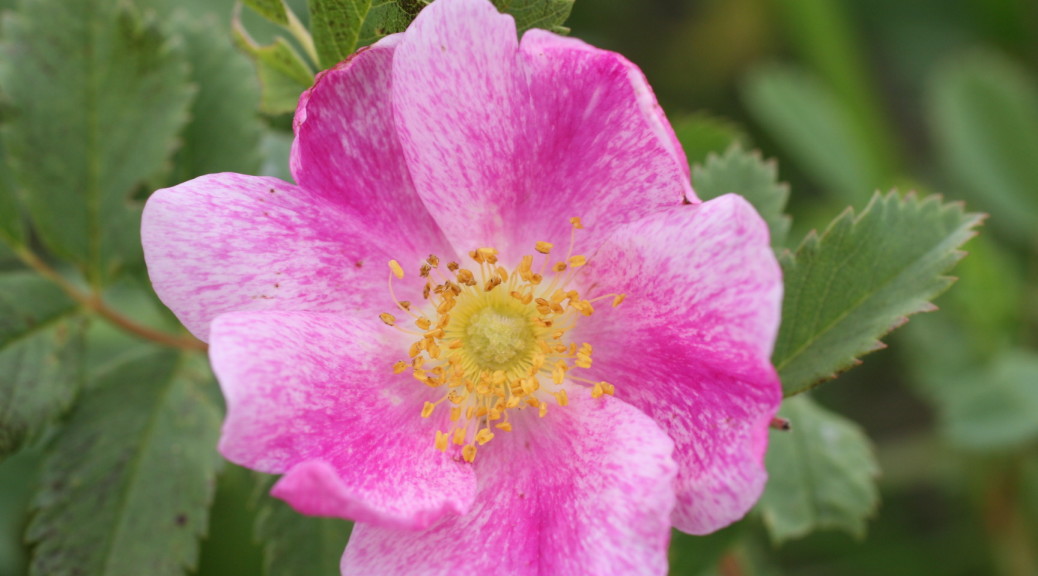
Carex family sedgeCarex liguleCarex ligule from another angleAmorpha canescens – Leadplant inflorescenceAmorpha foliage characteristics, part of the Fabaceae family (characteristic compound leaf structure)Lytta nuttalli – Nuttal Blister BeetleCypripedium candidum – Lady Slipper FoliageCypripedium candidum – Rare Lady Slipper on the North Dakota PrairieAnother Lady Slipper photoGreat shot of a rare prairie lady slipperWheatgrass sp based on clasping auricle presence – possibly quackgrassGaillardia aristata – BlanketflowerOnosmodium molle – False GromwellUnidentified hairy ligule with hairy leaf marginsAnemone canadensis – Anemone flowerAsclepias sp, probably incarnata – pink/swamp milkweedAsclepias spp. Probably sullivantii – Prairie MilkweedAsclepias speciosa – Showy MilkweedAsclepias speciosa – Showy MilkweedAsclepias spp. Probably sullivantii – Prairie MilkweedPenstemon digitalis or gracilis – BeardtongueHordeum jubatum – Foxtail BarleyLilium philadelphicum – Wood Lily, or at least a Lily speciesLily spp.Lactuca tatarica – Blue LettuceLactuca tatarica – Blue LettuceLactuca tatarica – Blue LettuceRosa arkansana – Wild Prairie RoseMonarda fistulosa – Wild bergamotRosa arkansana – Wild Prairie RoseBouteloua curtipendula – Sideoats GramaBouteloua curtipendula – Sideoats GramaBouteloua curtipendula – Sideoats GramaBouteloua gracilis – Blue GramaBouteloua gracilis – Blue GramaBouteloua gracilis – Blue GramaRatibida columnifera – Prairie coneflowerEchinacea angustifolia – Purple Coneflower – EchinaceaAndropogon geradii – Big BluestemAndropogon geradii – Big Bluestem – Turkey foot looking inforescenceAndropogon geradii – Big Bluestem liguleAndropogon geradii – Big Bluestem liguleSchizachyrium scoparium – little bluestemSchizachyrium scoparium – little bluestemCactus spp on the prairie
This was just a short list of the plants I saw and categorized. It’s unfortunate that I didn’t classify these plants shortly after I took the pictures. The grasses are hard to identify without having the whole plant in front of me, but during the survey period, I knew them perfectly. I wish I would have continued to create a ligule guide with key to the North Dakota prairie. The prairie there is a mix of short and tall grass, with hundreds of native grass species present, with nearly all of them being bunch grasses. Maybe I will get the opportunity again to classify the grasses and forbs of ND.